Ear Conditions & Treatment
Ear problems can affect people of any age, from a toddler with a middle ear infection to an adult noticing gradual changes in hearing. Dr Monde Mzoto assesses and treats the full range of ear conditions at his ENT practice in Benoni, working with patients to understand what is happening and what can be done about it.

What Ear Conditions Does Dr Mzoto Treat?
The ear is a small, intricate structure, and problems can develop in the outer ear, middle ear or inner ear. Some conditions cause pain or infection. Others affect hearing or balance without much discomfort at all, which is part of why regular assessment matters. Conditions commonly seen include:
- Hearing loss, at any age and of varying degrees
- Ear infections, including recurrent infections in children
- Ear pain and blocked or uncomfortable ears
- Excess ear wax requiring safe removal
- Tinnitus, or ringing and buzzing in the ear
- Vertigo and other balance disorders
- Glue ear and fluid behind the eardrum
- A perforated eardrum
- Cholesteatoma, an abnormal skin growth in the middle ear
- Sudden hearing loss, which needs prompt attention
When Should You See An ENT Surgeon About Your Ears?
For many patients searching for an ENT, ear symptoms such as pain, blocked hearing or persistent tinnitus are the reason for that first search. Discharge, sudden hearing changes or ringing that will not settle are all reasons to book an assessment rather than wait and see.
Children are more prone to ear infections because of the size of their Eustachian tube rather than their ear canal, so recurrent infections linked to conditions covered under Children's ENT care are worth investigating early. A single episode of dizziness may pass on its own, but repeated or severe vertigo should always be checked, as should any hearing change that comes on suddenly rather than gradually.
What Happens During An Ear Assessment?
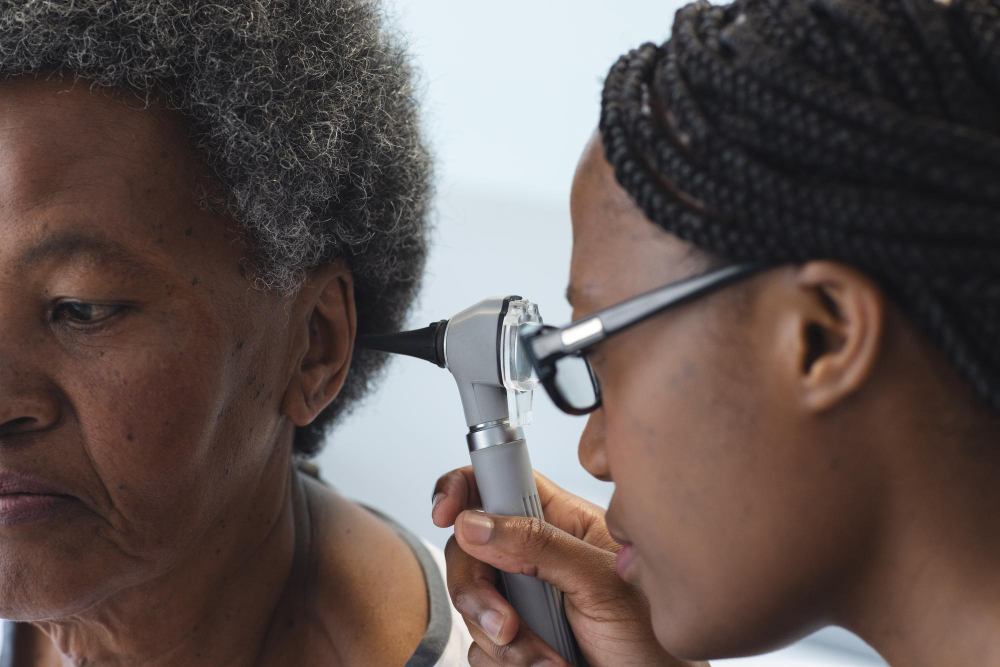
An ear assessment usually starts with a quick look at the ear canal and eardrum using a microscope or endoscope. If needed, this may be followed by a hearing test or balance assessment, depending on the symptoms. Wax or debris can also be removed during the consultation using microsuction, a gentle suction technique performed under direct vision.
What Does Ear Treatment Involve?
Treatment depends entirely on the diagnosis. Some conditions, such as wax buildup or a mild infection, are managed in a single consultation with drops or a short course of medication. Others need ongoing management, such as ear infections that keep recurring, or a hearing aid referral where hearing loss is affecting day-to-day communication. When surgery is required, such as for a persistent perforation, chronic infection or cholesteatoma, this is arranged at Netcare Linmed Hospital, where Dr Mzoto explains what the procedure involves, including any risks and alternatives, before it is scheduled.
What Can You Expect Afterwards?
Recovery varies with the type of treatment. A wax removal or hearing test involves no downtime at all, and most patients return to normal activity immediately. Ear surgery involves a period of aftercare and follow-up to check healing and hearing, with specific instructions given about water exposure, activity and any dressings. Dr Mzoto discusses what to expect at each stage, so there are no surprises between one appointment and the next.
How Should You Prepare For An Ear Consultation?
A little preparation helps make the most of the appointment time. It is useful to bring:
- A brief note of when the symptom started and whether it has changed over time
- Any previous hearing test results or audiograms, if available
- A list of current medication, including any ear drops already tried
- Details of any recent colds, ear infections, air travel or swimming that came before the symptom began
Does Ear Wax Removal Hurt?
Ear microsuction is generally well tolerated and is not usually described as painful. Most patients feel a sense of pressure or a mild tickling sensation rather than discomfort, since the procedure is done under direct vision with gentle suction rather than by flushing water into the ear canal. For an ear that is already inflamed or tender, the area is examined carefully first to decide on the gentlest safe approach.
Whatever brought you to this page, book a consultation at this ENT Benoni practice to have your ear concern properly assessed.